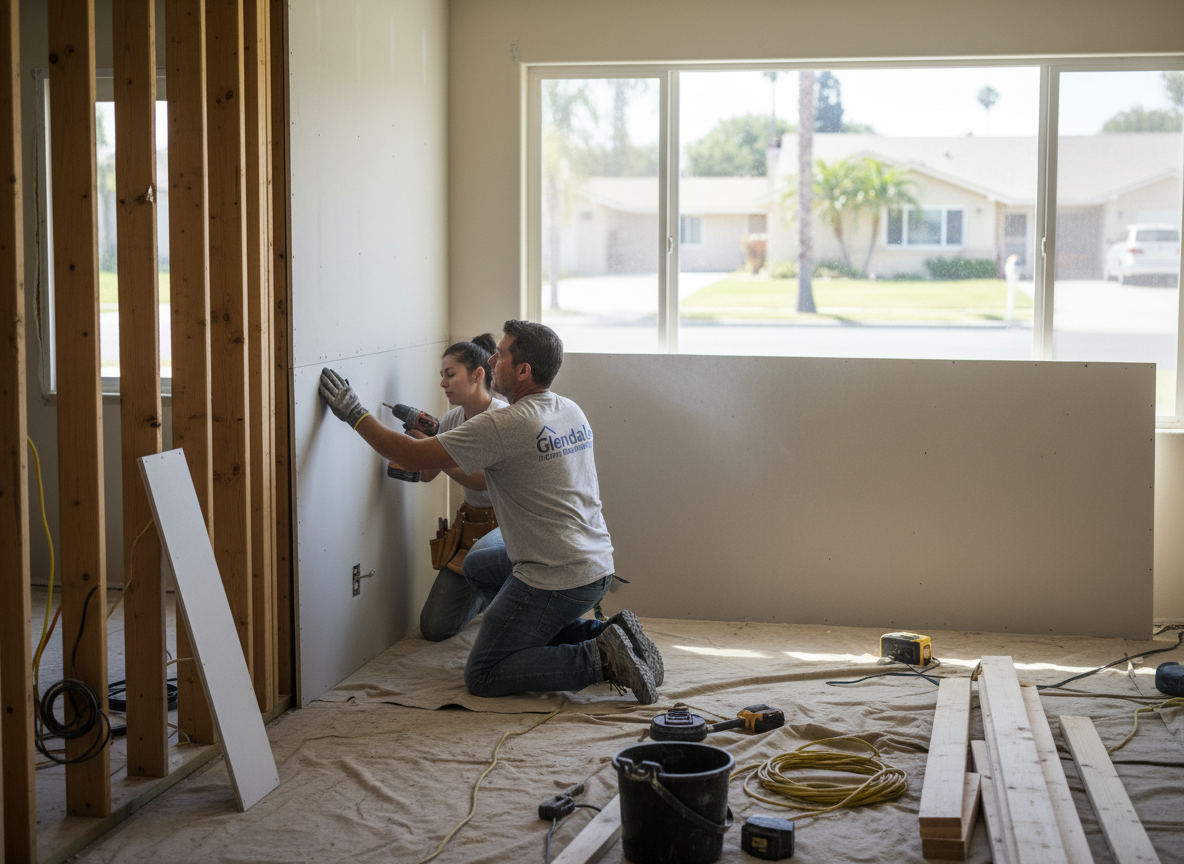
Glendale homes built decades ago in Maricopa County neighborhoods like Historic Downtown Glendale and near Luke Air Force Base often feature outdated electrical systems and limited insulation that complicate any renovation involving kitchens. The region's hot desert climate with extreme summer heat requires careful selection of materials that resist warping and expansion, especially when cabinets or countertops sit near south-facing windows. Homeowners in Arrowhead and nearby Phoenix or Peoria frequently discover hidden plumbing issues once walls open during a remodel, which can shift timelines if not addressed upfront with proper inspections.
Terrain and soil conditions around State Farm Stadium and Desert Diamond Casino areas add another layer, as expansive clay soils can shift foundations slightly over time and affect cabinet alignment or floor leveling in kitchen spaces. Local operators know to account for these shifts by using adjustable hardware and moisture barriers suited to the mild winters that still bring occasional freeze risks to exposed pipes. Working in these established communities means coordinating around narrow streets and older lot layouts that limit equipment access compared to newer subdivisions.
Renovation projects here also intersect with Maricopa County permitting rules for structural or electrical changes common in kitchen work. Experienced crews inspect for aluminum wiring or knob-and-tube remnants still present in some pre-1970s homes near Glendale Chocolate Factory before any demolition begins. This prevents callbacks when summer heat increases electrical loads from new appliances.
Technician insight
In Glendale, the thing that catches most people out with Home Renovators Near Me is the aluminum wiring and knob-and-tube remnants still hiding in 1950s-60s homes around Historic Downtown Glendale and the Luke Air Force Base area, where adding a new kitchen circuit during summer heat loads forces an unplanned panel upgrade before cabinets can go in.
Arrowhead Kitchen Update
Outdated cabinets and non-compliant wiring in a 1960s Arrowhead home created safety concerns once demolition started. We found undersized circuits feeding the range that would overheat in peak summer use. New dedicated lines were run and cabinets reinstalled with expansion joints suited to the clay soil, restoring full function without further surprises.
How it works
- 1
Initial Site Walk
Review existing layout, note wiring age, and check for moisture issues common in Glendale's older stock.
- 2
Scope and Material Planning
Select heat-resistant finishes and plan around desert expansion cycles while confirming Maricopa County code compliance.
- 3
Demolition and Prep
Remove old cabinetry and flooring, address any discovered plumbing or electrical shortfalls before new work starts.
- 4
Installation and Finishing
Set new cabinetry, counters, and fixtures with adjustments for local soil movement and final utility connections.
- 5
Final Walk and Cleanup
Verify all systems operate correctly and leave the space ready for daily use in the hot climate.
Pricing
Upfront quotes provided after site visit; costs vary by home age, scope of electrical updates, and material selections.